Hormonal imbalance can complicate weight loss, but there are steps you can take to get back on track
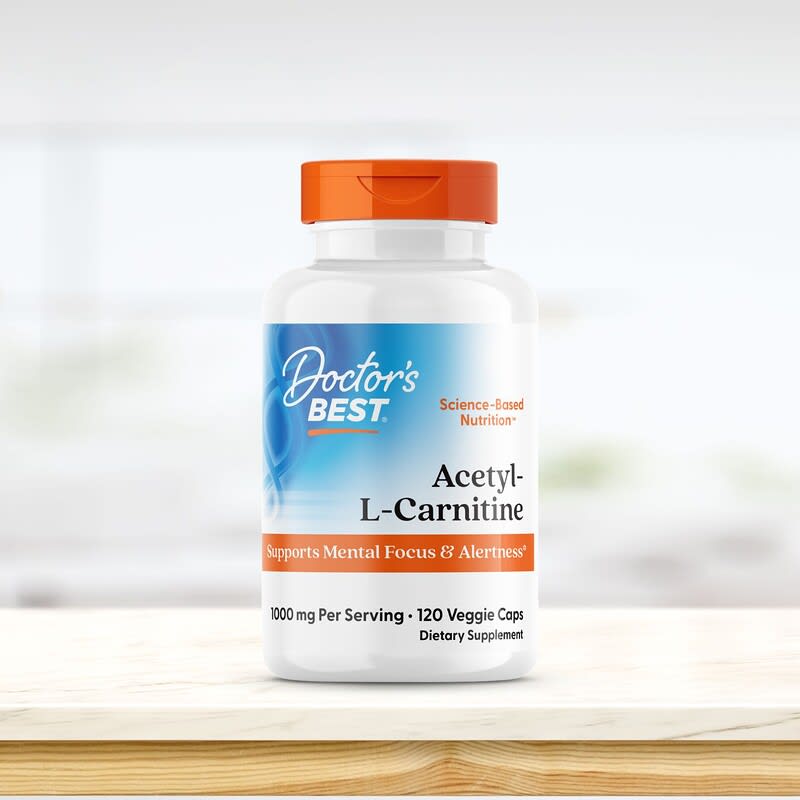
Many foods that are high in glutathione, sulfur, and other antioxidants have been linked to improved glutathione levels, such as ( 4 ): whey protein powder (high in cysteine) cruciferous vegetables (e.g., broccoli, cabbage, cauliflower, bok choy, Brussels sprouts) allium vegetables (e.g., garlic, onions, shallots) other fruits and vegetables (e.g., asparagus, avocado, cucumber, green beans, mango, papaya, spinach, and tomato) herbs and spices (e.g., curcumin from turmeric) green tea selenium-rich foods (e.g., Brazil nuts, beef, chicken, seafood, dairy products, and whole grains) vitamin C foods (e.g., bell peppers, papaya, mango, oranges, kiwi, Brussels sprouts, cabbage, cauliflower) omega-3s (e.g., fatty fish, omega-3 supplements ) While helpful, it's currently debated whether eating a diet rich in glutathione will significantly improve glutathione levels, since it's not completely absorbed through food
These findings support the concept that, in some individuals, vaccine-associated chronic symptoms reflect measurable immune and autonomic dysregulation
Glutathione Boost (2000mg) Seeking a holistic solution to boost your overall well-being & enhance your health
Best candidates for retatrutide Retatrutide makes more sense for researchers who: Need maximum possible weight loss and have not achieved adequate results with dual agonists Have significant liver fat accumulation as a primary concern Have plateaued on tirzepatide or stopped responding Are comfortable with investigational compounds and research-grade sourcing Have higher side effect tolerance Want the most comprehensive metabolic intervention currently available Are experienced with GLP-1 agonist protocols and understand escalation management Have access to medical monitoring during the protocol Retatrutide is not a beginner compound
Molecular Immunology