Studied Benefits Gastrointestinal Protection BPC-157 has demonstrated significant cytoprotective effects on the gastric mucosa in animal models of ulcers induced by ethanol, NSAIDs, and stress
Structural rebuilding depends on: Adequate blood flow so repair materials can reach the site Proper cellular migration so rebuilding is organized Inflammation control so tissue is not continually degraded When GHK-Cu is used alone, you may see improvements in texture and appearance, yet deeper functional recovery can lag when the rest of the repair system is not supported
Chemical Makeup Other Known Titles BPC-157: C 62 H 98 N 16 O 22 TB-500: C 212 H 350 N 56 O 78 S GHK-Cu: C 14 H 23 CuN 6 O 4 Molecular Weight: BPC-157: 5 g/mol TB-500: 4963 g/mol GHK-Cu: 38 g/mol Molecular Formula: BPC-157: Body Protection Compound-157 TB-500: Synthetic Thymosin Beta-4 GHK-Cu: glycyl-L-histidyl-L-lysine-copper 2+ Research and Clinical Studies Anti-inflammatory Signaling Research on BPC-157 & TB-500 & GHK-Cu All three peptides appear to play some potentially complementary and partially overlapping roles in inflammatory signaling inside and in between cells
Most weight loss claims are extrapolated from GH physiology or combination peptide studies, so results in real-world fat loss remain uncertain
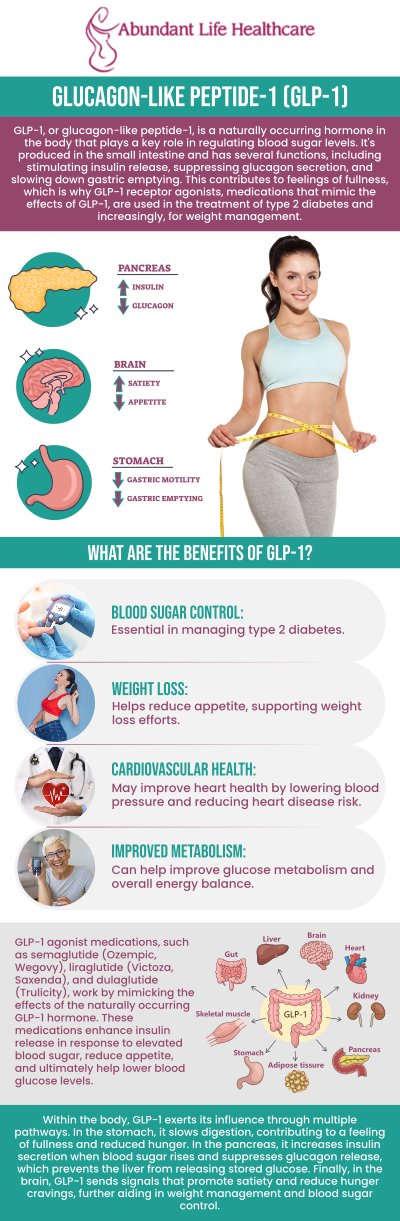
The incretin effect is reduced in people with T2DM, mainly because GIP has less of an impact [85]
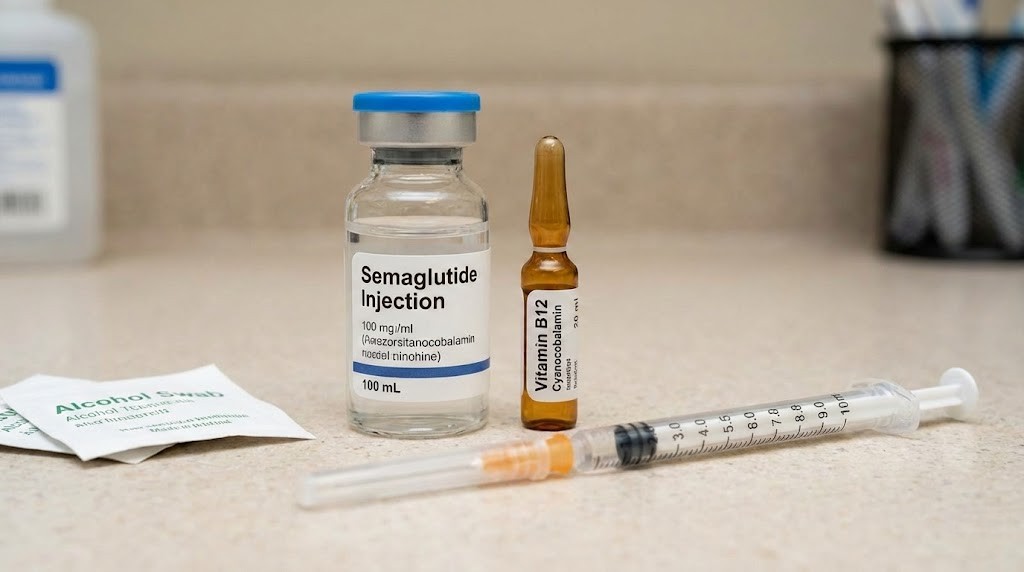
A vial labeled 10 mg/mL behaves completely differently from one labeled 20 mg/mL when you draw the same number of units into an insulin syringe