General Guidance Consult a healthcare professional prior to use, especially if you have a medical condition or are under medical supervision Use only as directed Specialized preparation methods should only be performed when appropriate and guided by a professional How to Prepare Mix fresh prior to use: Open capsule(s) and empty contents into a clean container Add distilled water or saline solution Allow to dissolve until the solution is clear Water-to-Capsule Ratio 13 capsules: 3 mL 4 capsules: 4 mL 5 capsules: 5 mL 6 capsules: 6 mL Important: Use room temperature liquid only Do not use hot water (heat may degrade glutathione) Storage Guidelines For optimal stability: Store at 6872F (2022C) Keep humidity below 50% Protect from heat, light, and moisture Do not freeze High Humidity Tips Store bottle inside a sealed bag with a desiccant Avoid prolonged exposure to open air Consider purchasing the 50 cap bottle High Heat / Refrigeration Guidance Refrigeration may be used in high-heat environments Always store bottle in a sealed bag with desiccant outside the bottle Prevent condensation exposure Consider purchasing the 50 cap bottle Shelf Life When stored properly, product stability is typically 35 years from manufacture date

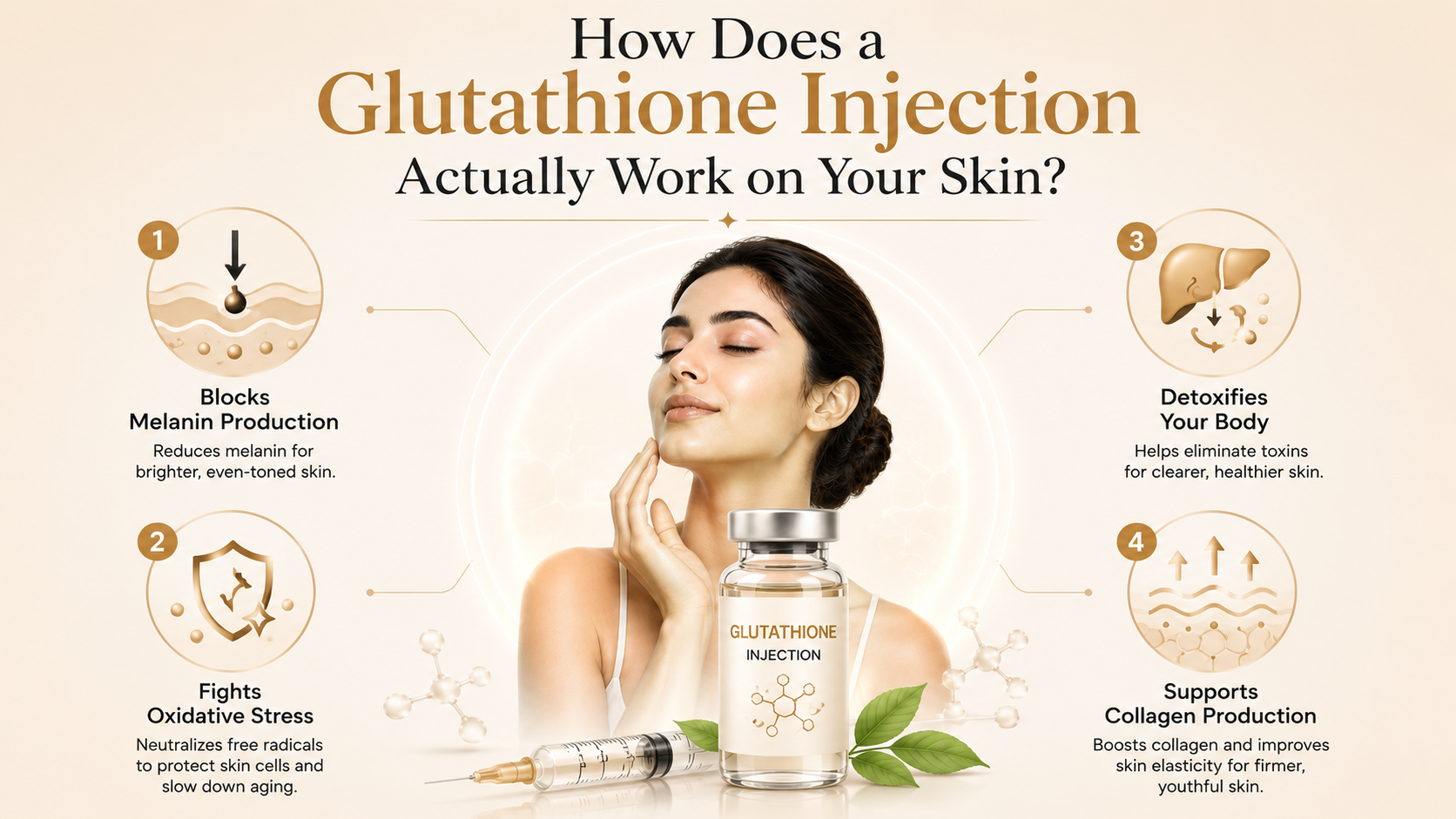
-It protects the skin from damage caused by free radicals
Its a resounding yes
When systemic glutathione levels are supported through supplementation, the livers Phase 2 detoxification capacity may be enhanced, helping it to clear the backlog of mast cell mediators from the bloodstream

Premenstrual syndrome (PMS) An estimated nine out of ten women experience at least some mild premenstrual symptoms a week or two before their period.1 However, only two out of every ten women suffer from the more distressing premenstrual syndrome , or PMS.17 The symptoms of PMS can be physical, emotional, or both and may include breast swelling or tenderness, acne, bloating, headaches, joint pain, food cravings, digestive upset, irritability, mood swings, crying, and trouble sleeping.18 Similar to most of the other conditions mentioned in this guide, experts dont know the exact cause of PMS, but its widely believed that the changes in hormone levels during the menstrual cycle are a factor.18 Premenstrual dysphoric disorder (PMDD) Though PMDD is technically a severe form of PMS, the condition is more complex than that implies.19 20 Considered a depressive disorder in the DSM-5,21 PMDD often comes with typical PMS signs bloating, fatigue, sleep disturbances, and food cravings but it also presents with symptoms that can have a profound negative impact on daily functioning, such as depression, anxiety, panic attacks, anger, mood swings, insomnia, difficulty concentrating (brain fog), or even suicidal thoughts.22 While researchers are unsure of the cause, they note that the brains of patients with PMDD react in an abnormal way to the normal hormone fluctuations of the menstrual cycle, particularly during the luteal phase right after ovulation.16 These hormone fluctuations also impact the function of neurotransmitters, namely serotonin, which is why SSRI antidepressants are the first-line treatment for PMDD.16 Polycystic ovary syndrome (PCOS) PCOS is a hormonal imbalance caused by the ovaries producing excess androgens (e.g., testosterone, androstenedione, DHEA, or DHT)

If these questions linger in your mind, fret not



:max_bytes(150000):strip_icc()/WhatstheDifferenceBetweenOzempicWegovyandMounjaro-illo-a8f5a23fe4914586b4488472fe15f112.png)





.png)