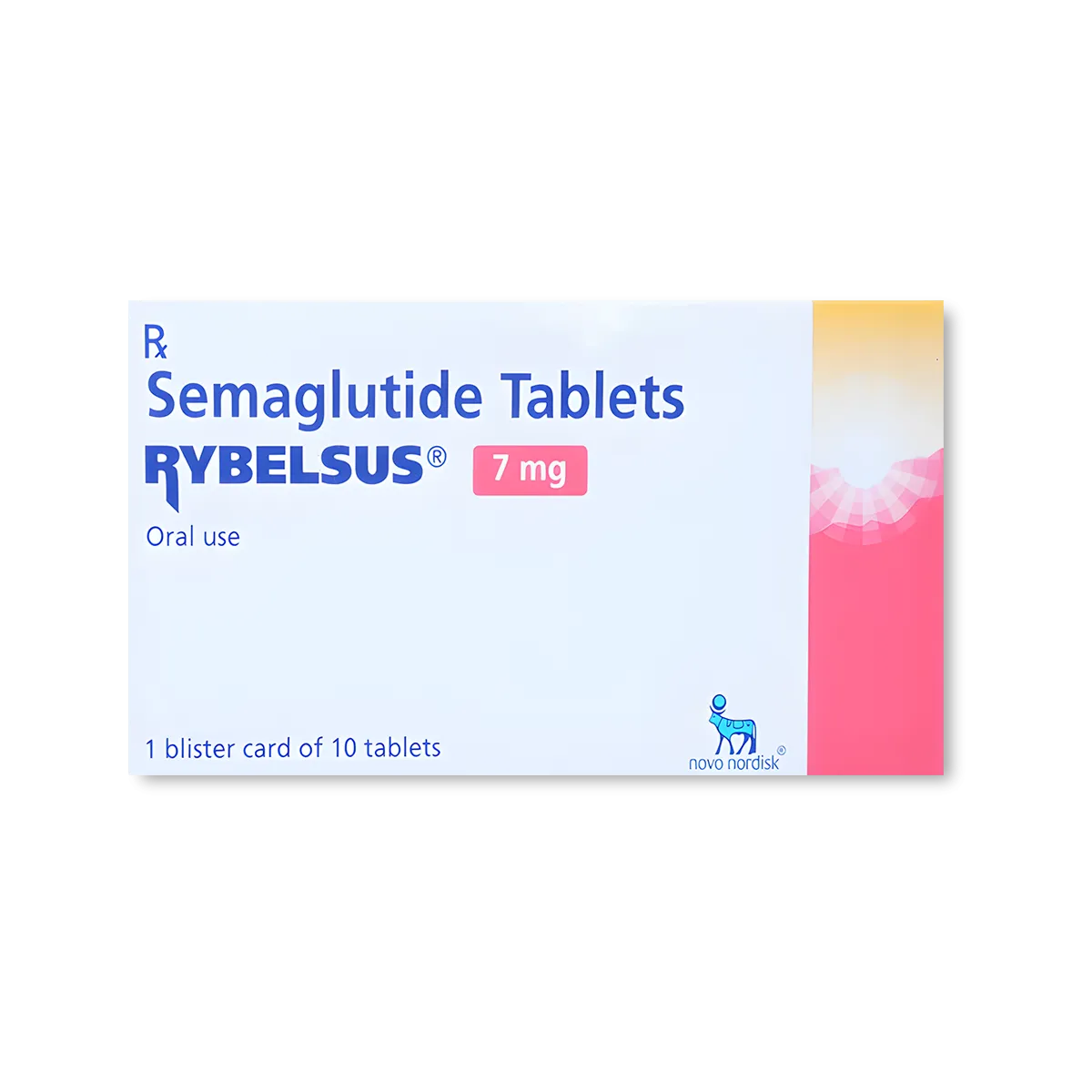
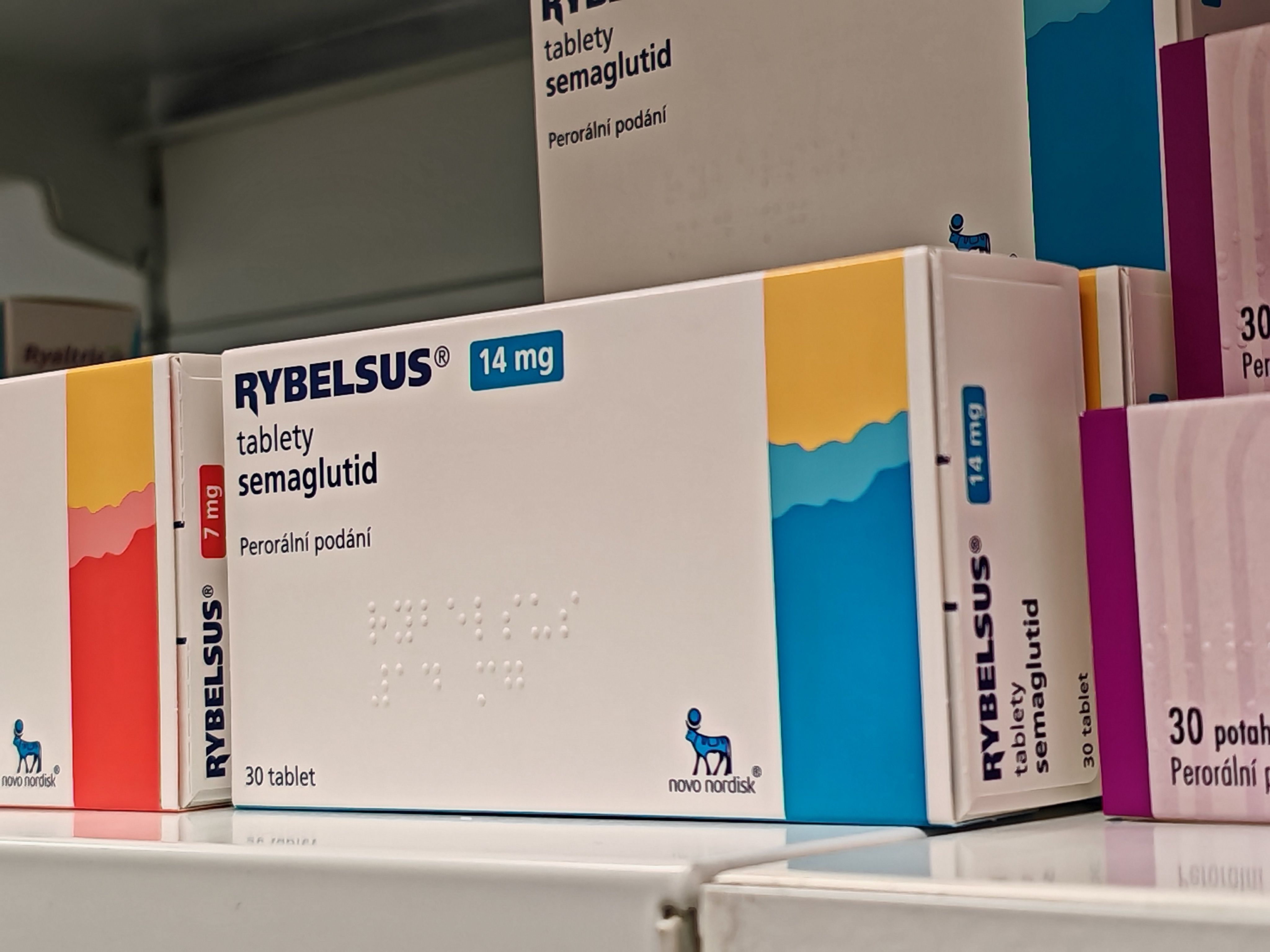
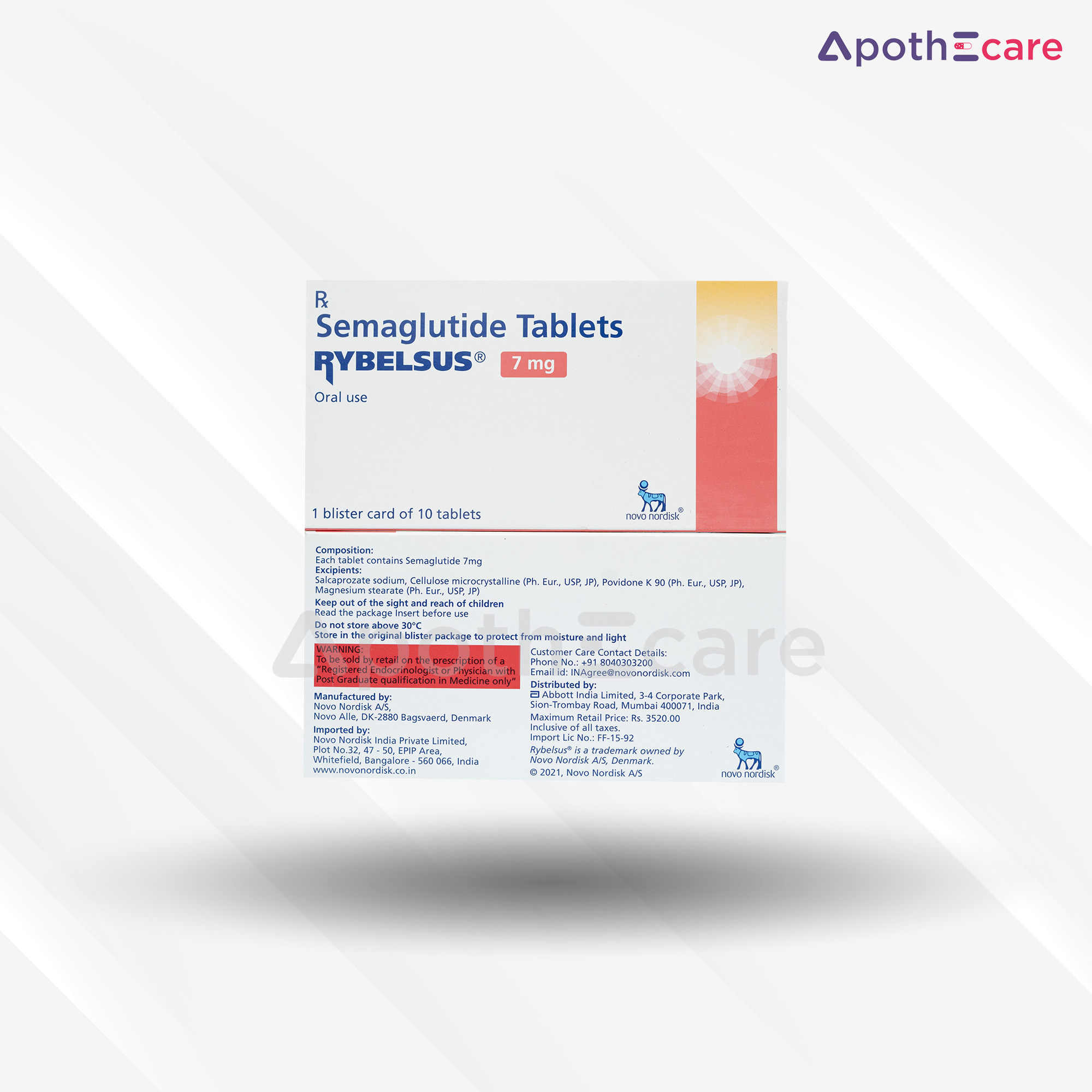
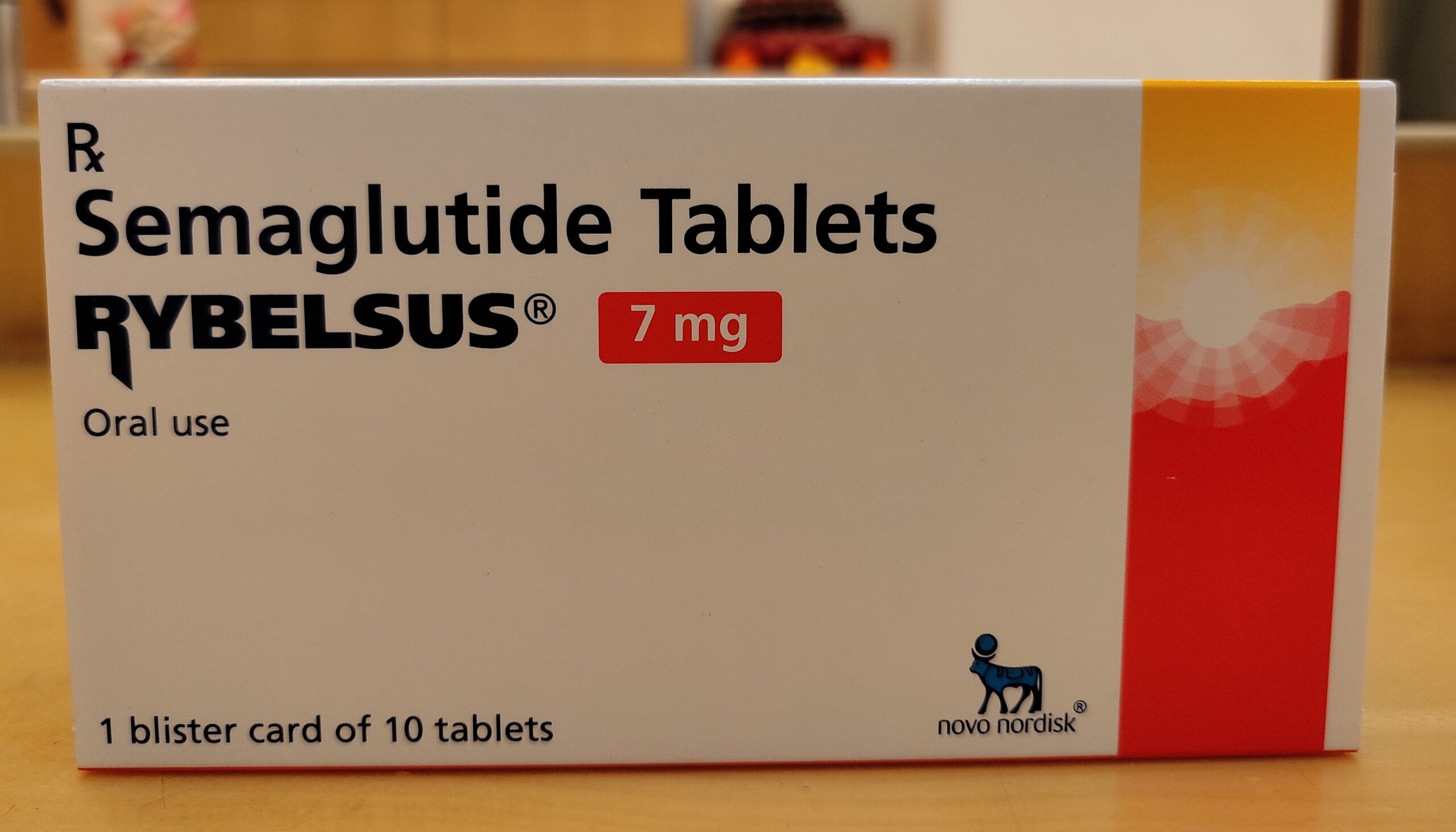
In fact, FDA labels for these medications include warnings about acute kidney injury risk, particularly when dehydration occurs from severe gastrointestinal adverse events
Why women need lower doses Biological differences: Smaller average body size Different hormone profiles More sensitive to some peptides Better response at lower doses often General rule: Start 20-30% lower than male doses Women: 150-200mcg vs Men: 200-300mcg (GH peptides) Titrate based on response More isn't better for women Hormone cycle considerations (perimenopause) If still menstruating: GH peptides: Use consistently throughout cycle Weight loss peptides: May work better in follicular phase (days 1-14) Some women dose higher during luteal phase (more resistant) Track response across full cycle Post-menopause: No cycle to consider Consistent dosing easier More predictable results Age-specific dosing Women 40-50 (perimenopause): Start conservative Body still producing some hormones Lower doses effective Women 50-60 (menopause): Standard doses appropriate Need more GH replacement Can titrate higher if needed Women 60-70+: Start very low Increase slowly More sensitive to side effects Benefits still significant Safety considerations for women over 40 Special precautions for this demographic

Over time, the brains cooling system wears down, leading to agitation, poor sleep, and cognitive fatigue
Medicine Product is a nutritional supplement used to support nerve health, improve energy production, reduce vitamin B12 and folate deficiencies, and promote overall neurological function
The Half - Life of Semax Peptides Semax is a synthetic peptide derived from the adrenocorticotropic hormone (ACTH)
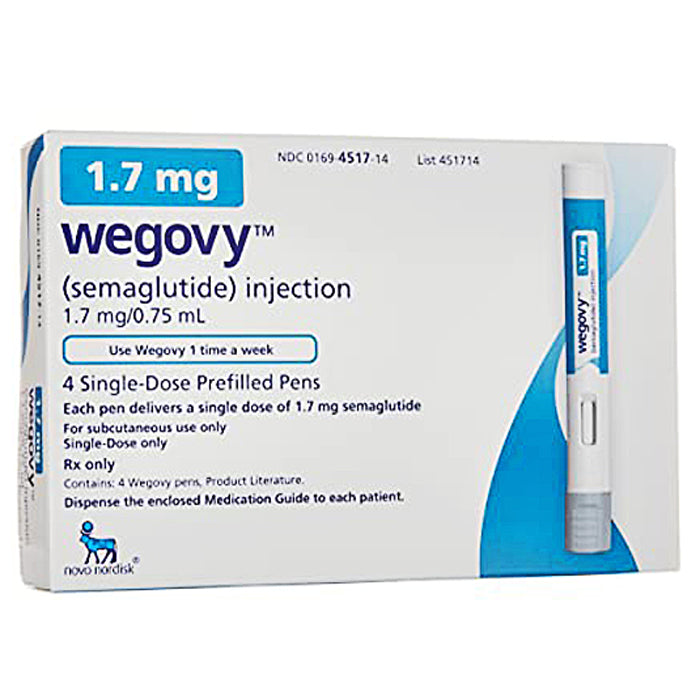
TFL beneficiaries prescribed a GLP-1 medication for weight loss such as Wegovy, Zepbound, Saxenda, Qsymia, Phentermine, or Contrave no longer have that medication covered as of Aug