The recommendation is influential but not binding
In fact, the brain accounts for approximately 25% of total body glucose utilization at rest, despite representing only 2% of adult body weight (2, 3)
Occasionally the picture of Hashimoto's thyroiditis blends rather imperceptibly into that of thyrotoxicosis, and some patients have symptoms of mild thyrotoxicosis, but then develop typical Hashimoto's thyroiditis
The silymarin found in milk thistle has been shown to increase resistance to oxidative stress, which is a potential cause of Alzheimers disease

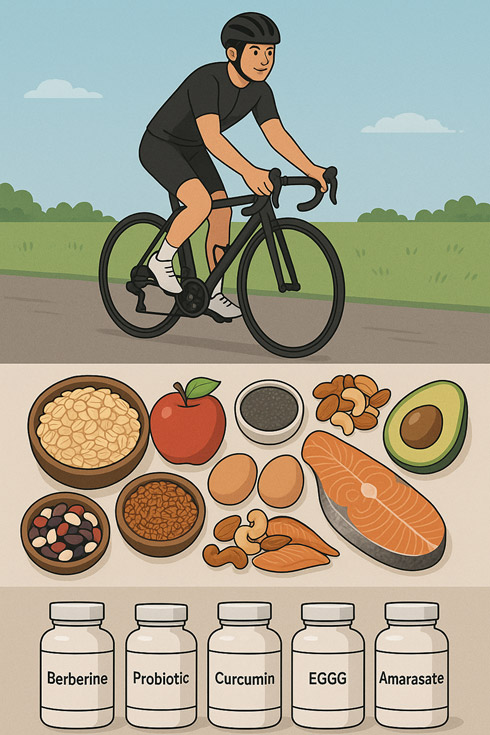
How to Heal Injuries the Right Way (Evidence-Based Protocol) Phase 1: Acute Injury (Days 1-7) Goals: Reduce inflammation, protect tissue, begin gentle movement RICE (modified): Rest, Ice (first 48 hours), Compression, Elevation Nutrition: High protein (1g per pound), vitamin C (1,000mg), omega-3 (3g) Juice: Anti-inflammatory blend (beet, turmeric, ginger, tart cherry) Movement: Gentle range of motion, avoid complete immobility Sleep: 8-9 hours (growth hormone release) Phase 2: Subacute (Weeks 2-6) Goals: Promote tissue repair, restore function Physical therapy: Guided strengthening Nutrition: Continue high protein, add collagen peptides (FROM FOOD: bone broth) Supplements: Curcumin (1,500mg), vitamin D (5,000 IU), zinc (30mg) Juice: Daily anti-inflammatory + gut healing blends Sleep: Maintain 8+ hours Stress: Manage (cortisol blocks healing) Phase 3: Rehabilitation (Weeks 6-12+) Goals: Full strength restoration, prevent re-injury Progressive loading: Gradual return to activity Maintenance nutrition: 0.8g protein per pound Ongoing anti-inflammatory support: Daily juice, omega-3, curcumin Monitor: Pain, swelling, function This protocol is PROVEN

Hyperlactylated YY1 directly stimulates FGF2 transcription and promotes angiogenesis, driving oxygen-related retinal neovascularization and proliferative retinopathy