Researchers should prioritize products that come with third-party testing documentation, including HPLC purity analysis and mass spectrometry confirmation of identity
The root cause in these reports is typically the bacteriostatic water, not the peptide
Oxytocin Far more complex than its popular reputation suggests
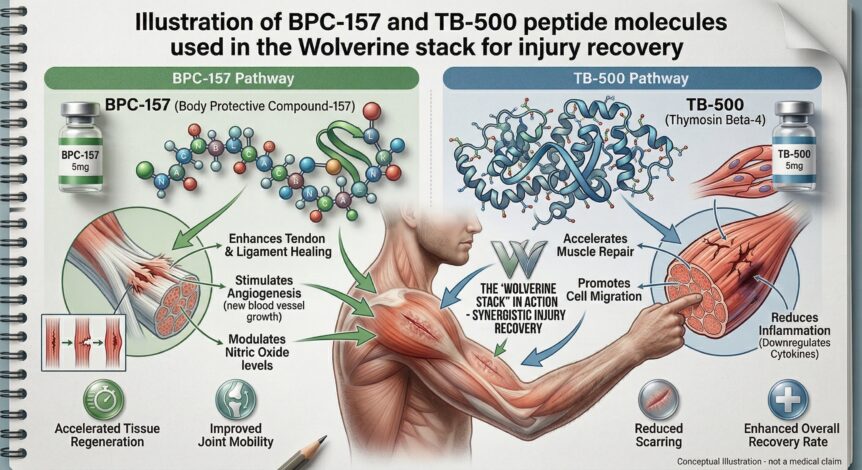
BPC-157 and TB-500 are combined into one formulation, allowing researchers to work with a stable, pre-blended research material rather than handling individual components separately
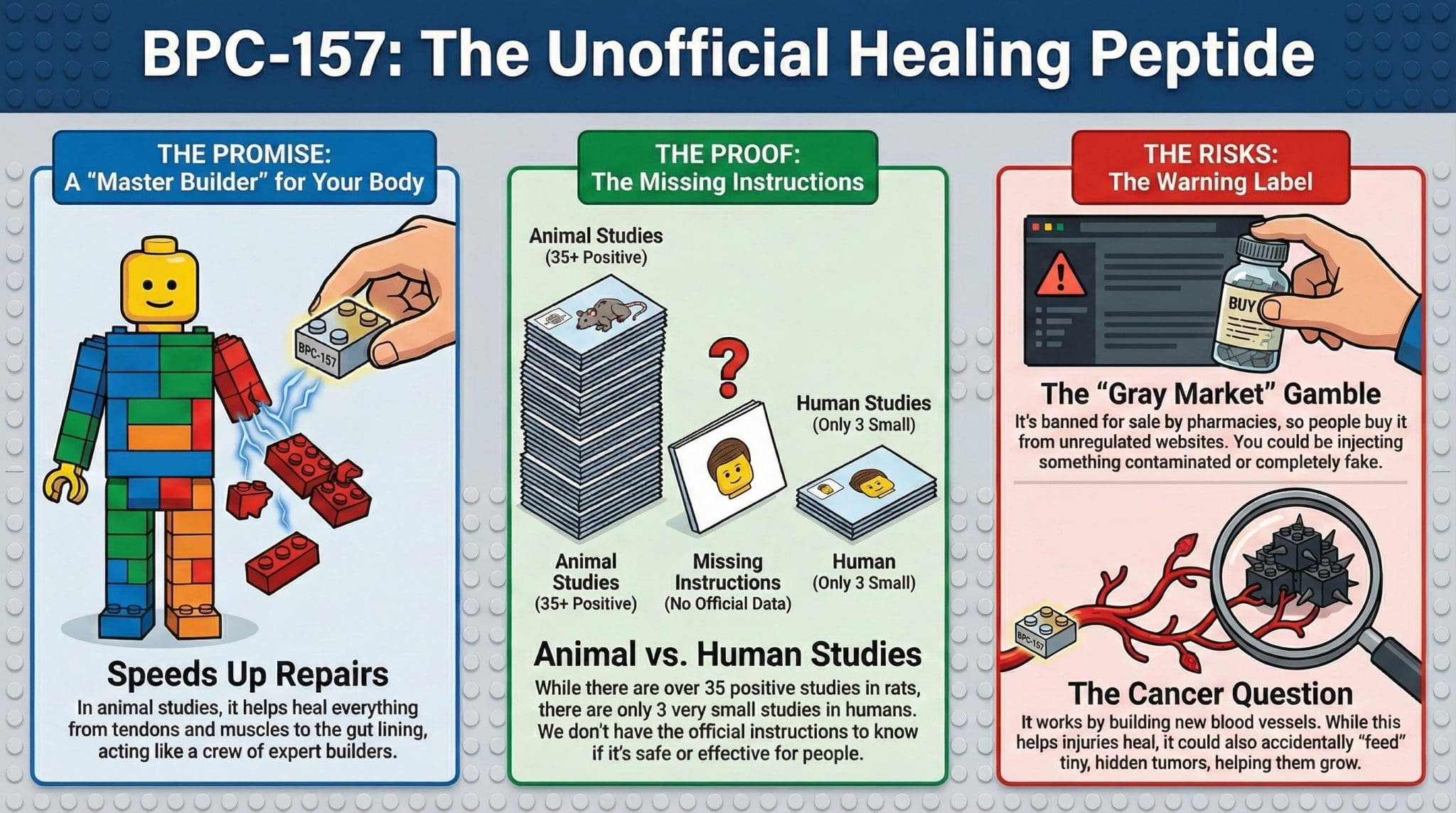
A peptide can be interesting without being proven for every condition being advertised online
Reported side effects are typically mild and transient: BPC-157: Nausea (rare), mild fatigue in the first week, minor injection site redness TB-500: Mild lethargy during the loading phase, transient head rush immediately after injection, injection site discomfort Combined stack: No documented synergistic toxicity in preclinical or clinical observational data The more significant risks relate to sourcing and administration rather than the peptides themselves